Healthy trees add beauty, shade, privacy, and value to your property. But in Western North Carolina, changing seasons, strong storms, heavy rainfall, and high winds can quickly turn neglected trees into major safety hazards.
Many homeowners do not realize a tree is dangerous until limbs fall, roots shift, or storm damage impacts their home, driveway, fence, or power lines. The good news is that many costly tree problems can be prevented with proactive care and professional maintenance.
Here are seven warning signs that your trees may need professional attention before the next storm season arrives.
1. Dead or Hanging Limbs
Dead branches are one of the most obvious warning signs that a tree may be unsafe. Large hanging limbs can break unexpectedly during high winds, heavy rain, snow, or ice.
Some signs to look for include:
- Branches without leaves during growing season
- Cracked or split limbs
- Hanging branches after storms
- Brittle wood that breaks easily
- Large branches over your roof, vehicles, or walkways
Even small limbs can cause injuries or property damage. Larger limbs can become extremely dangerous during severe weather.
Professional tree trimming helps remove hazardous branches before they become a bigger issue.
2. Leaning Trees
Not every leaning tree is dangerous, but a tree that suddenly begins leaning or shifts after a storm should be inspected immediately.
A leaning tree may indicate:
- Root damage
- Soil instability
- Internal decay
- Structural weakness
- Storm damage
Trees leaning toward your home, garage, driveway, or power lines should never be ignored.
A professional tree service can determine whether the tree can be stabilized or if removal is the safest option.
3. Cracks in the Trunk
Large cracks or splits in a tree trunk often indicate structural weakness.
These cracks may be caused by:
- Lightning strikes
- Storm stress
- Disease
- Old age
- Rapid temperature changes
Deep trunk cracks can make trees vulnerable to complete failure during storms.
In some cases, early intervention can help preserve the tree. In other situations, removal may be necessary to protect surrounding structures and people.
4. Mushrooms or Rot Around the Base
Fungus growth near the base of a tree is often a warning sign of internal decay.
Common indicators include:
- Mushrooms growing around roots
- Soft or hollow wood
- Cavities in the trunk
- Bark falling off prematurely
- Visible decay near the base
When decay affects the root system or trunk structure, the tree may become unstable without obvious external signs.
Professional tree experts can assess the severity of the damage and recommend the safest course of action.
5. Overgrown Branches Near Your Home
Trees that grow too close to your home can create several problems over time.
Overgrown limbs may:
- Damage roofing materials
- Scratch siding and windows
- Clog gutters
- Increase pest activity
- Create pathways for rodents
- Threaten power lines
Proper pruning not only improves safety but also helps maintain the long-term health and appearance of the tree.
Routine maintenance can also improve curb appeal and increase sunlight around your property.
6. Trees Damaged by Previous Storms
Western North Carolina storms can leave behind hidden structural damage that is easy to overlook.
Even if a tree survived the last storm, it may still have:
- Internal cracking
- Weak branch attachments
- Root instability
- Stress fractures
- Hidden decay
Storm-damaged trees are much more likely to fail during future weather events.
Having your property inspected after major storms can help identify issues before they become emergencies.
7. Thick Canopies Blocking Sunlight and Airflow
Dense tree canopies may look healthy from a distance, but overgrowth can create problems.
Heavy canopies can:
- Increase wind resistance during storms
- Trap moisture
- Promote fungal growth
- Reduce lawn health
- Limit airflow around your property
Professional canopy thinning and trimming help reduce stress on trees while improving overall property appearance and safety.
Why Preventative Tree Maintenance Matters
Waiting until a tree falls is almost always more expensive than preventative care.
Routine inspections and maintenance can help:
- Prevent property damage
- Reduce storm risks
- Improve tree health
- Extend tree lifespan
- Enhance curb appeal
- Protect your family and visitors
- Lower long-term maintenance costs
Professional tree care also ensures work is completed safely and correctly.
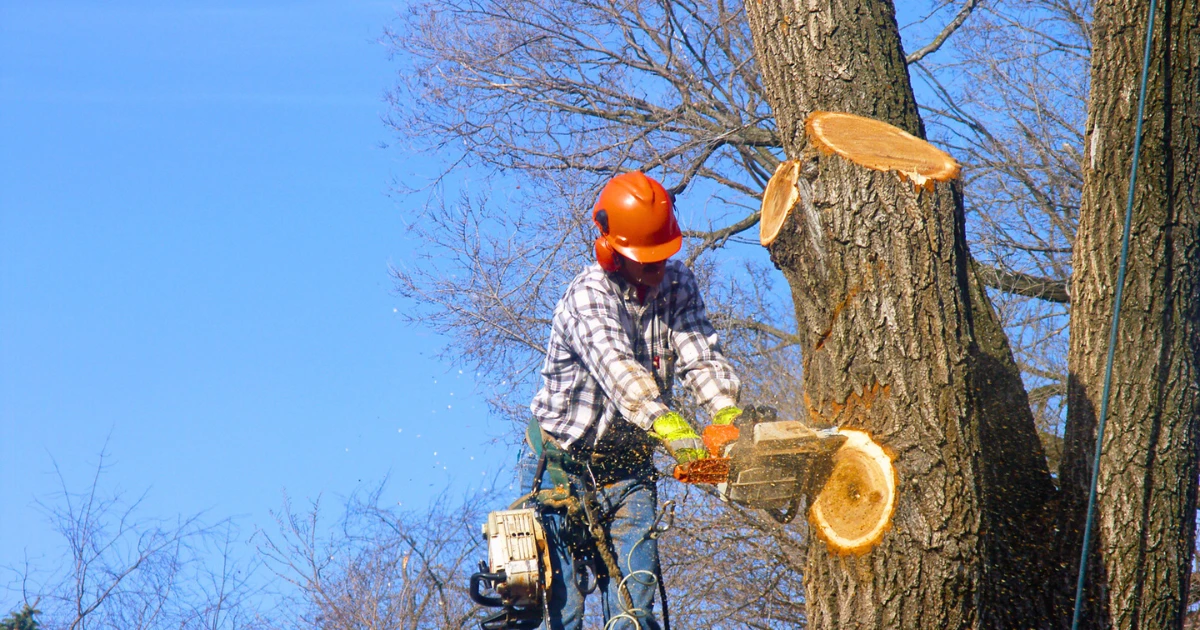
Tree removal and trimming can be dangerous without the proper equipment, training, and experience.
The Importance of Hiring a Professional Tree Service
Tree work is not just about cutting limbs. Proper tree care requires knowledge of tree health, growth patterns, structural integrity, and safe removal techniques.
Hiring a professional team helps ensure:
- Proper pruning methods
- Safe removal practices
- Protection for nearby structures
- Reduced liability risks
- Efficient cleanup
- Long-term tree health recommendations
Experienced professionals can also spot early warning signs homeowners often miss.
Tree Care Tips for Homeowners
While professional inspections are important, there are also steps homeowners can take throughout the year to help maintain healthy trees.
Inspect Trees Regularly
Walk your property every few weeks and look for:
- Dead branches
- Cracks
- Leaning trunks
- Fungal growth
- Exposed roots
- Sudden leaf loss
Clean Up After Storms
Remove small fallen limbs and monitor trees for new damage after severe weather.
Avoid Overwatering
Too much water can weaken roots and encourage disease.
Mulch Properly
Mulch helps retain moisture and protect roots, but avoid piling mulch directly against the trunk.
Schedule Routine Trimming
Regular trimming helps trees maintain healthy growth patterns and reduces storm hazards.
When to Schedule Tree Services in Western North Carolina
Many property owners wait until hurricane season or winter storms approach before thinking about tree maintenance.
The best time to inspect and maintain trees is before severe weather arrives.
Seasonal tree care can help prepare your property for:
- Summer thunderstorms
- Hurricane remnants
- Heavy rain
- Ice storms
- Snow accumulation
- High winds
Preventative maintenance is especially important for mature trees located near homes, garages, driveways, and utility lines.
Trust Bill’s Tree & Landscape Service for Professional Tree Care
At Bill’s Tree & Landscape Service, we help homeowners and property owners throughout Western North Carolina maintain safe, healthy, and beautiful properties.
Our services include:
- Tree trimming and pruning
- Tree removal
- Storm damage cleanup
- Emergency tree services
- Property clearing
- Landscape maintenance
We understand the unique challenges trees face in the mountains of Western North Carolina and provide dependable service focused on safety, quality, and customer care.
Whether you need preventative maintenance or emergency tree removal, our team is ready to help.
Schedule a Tree Inspection Today
If you have concerns about the health or safety of your trees, now is the time to take action.
A professional inspection can help identify problems early and potentially save you from costly storm damage later.
Contact Bill’s Tree & Landscape Service today to schedule a consultation and keep your property safe, clean, and looking its best year-round.